There’s a well-known saying in the concreting industry:
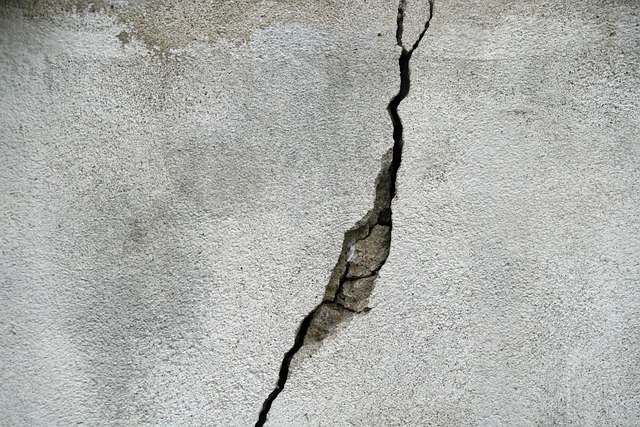
“There are only two guarantees with concrete — it will go hard, and it will crack.”
That saying exists for a reason. Concrete is a strong and durable material, but it is also rigid. It must respond to changes in temperature, moisture, and ground movement beneath it.
The role of an experienced concreter isn’t to promise “no cracks” — it’s to control where cracks are most likely to occur.
How concrete cracks form?
Concrete cracks for several reasons:
- Shrinkage as moisture leaves the concrete during curing
- Expansion and contraction from temperature changes
- Ground movement caused by rain, drought, or soil conditions
- Stress points created by penetrations, edges, or changes in direction
Most cracks seen in residential driveways and slabs are shrinkage or movement cracks. These are cosmetic and do not affect the strength or lifespan of the concrete.
Controlling cracking with saw cuts
Saw cuts are commonly misunderstood. Their purpose is not to “stop” cracks, but to encourage the concrete to crack neatly in a controlled location.
By cutting a shallow groove into the surface, the concrete becomes thinner at that point. When movement occurs, the concrete is more likely to crack under the saw cut rather than randomly across the slab.
Understanding weak points in concrete
Certain areas naturally create weak points:
- Drain penetrations and pits
- Pipes and service entries
- Changes in direction or slab shape
- Large uninterrupted slab areas
The importance of consistent slab thickness
Good ground preparation ensures the slab is poured at a consistent thickness. This allows saw cuts to function as intended and reduces random cracking.
Reinforcement and steel lapping
Steel reinforcement helps control cracking when mesh sheets are correctly overlapped and supported.
Choosing the right concrete strength
Concrete strength must suit the application. Too strong increases shrinkage; too weak reduces durability.
What australian standards say
Australian Standards accept cracking as normal unless it becomes structural or affects performance.
What this means for homeowners
- Cracks under saw cuts are expected
- Most cracks are cosmetic
- Proper preparation matters
- Concrete can last decades even with visible cracks